
What Is a Mortise Lock and Why Commercial Properties Depend on It
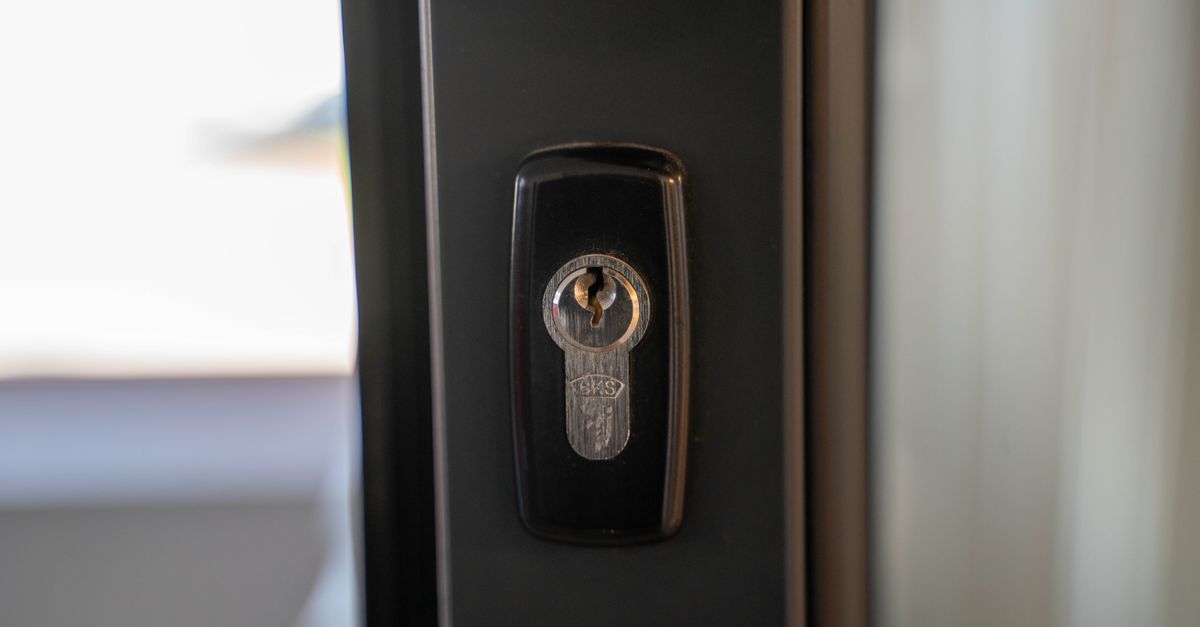
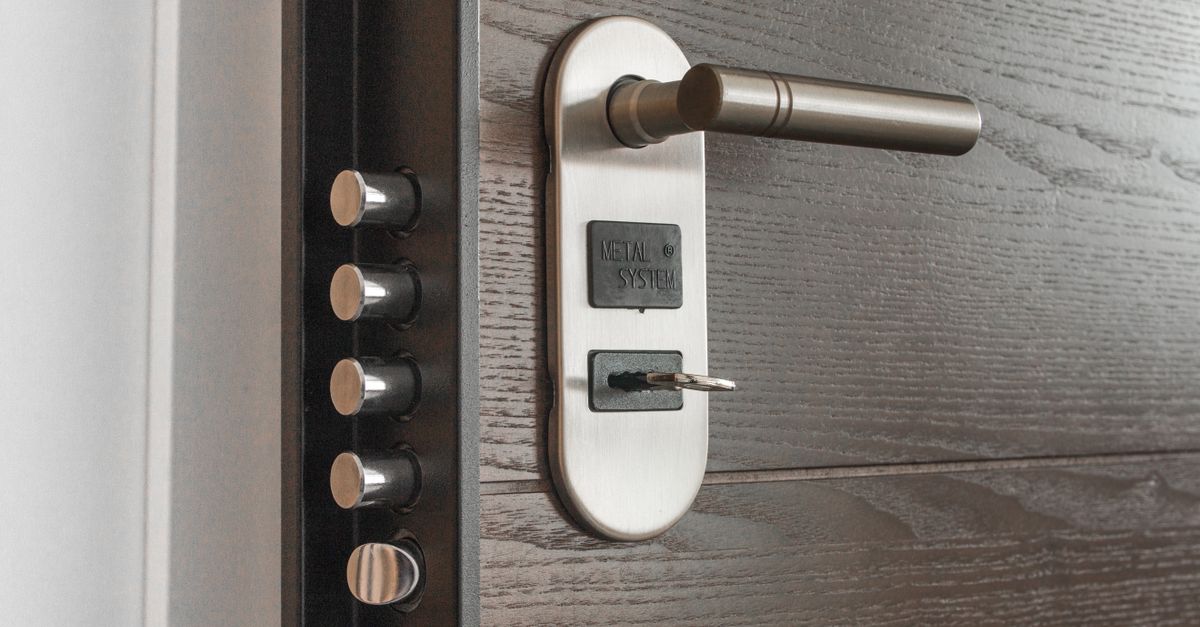
A mortise lock set is a self-contained assembly that slides into a mortised pocket — typically 1 inch wide and 3.5 to 4 inches deep — cut into the door stave. Inside that pocket lives the lock body, which integrates a spring latch for passive latching, a deadbolt throw for positive locking, and a series of cams and levers that translate rotation from both the lever handle and the key cylinder into motion. This multi-function design is why commercial architects and facilities managers specify mortise hardware for high-cycle doors: a well-maintained unit can withstand hundreds of thousands of operations without the latch mechanism loosening or the bolt throw weakening. Cylindrical locksets, by contrast, mount entirely in the door face and rely on a smaller chassis — adequate for low-traffic residential use, but undersized for a Sherman Oaks medical office or retail chain that sees dozens of employees and clients passing through the same door every hour.
The depth of the mortise pocket also allows manufacturers to build in security features that simply cannot fit in a surface-mount design: hardened steel anti-saw pins in the mortise lock cylinder, reinforced bolt faces that resist spreading attacks, and modular cam assemblies that let a locksmith swap function without replacing the entire lock body. Brands like Corbin Russwin and Baldwin have built their commercial reputations on this architecture, engineering mortise lock sets to ANSI/BHMA Grade 1 standards — the highest cycle and force rating in the industry. When your door is the line between your inventory and the public, that engineering difference is not a luxury; it is a baseline requirement.