What Causes a Commercial Door to Fail at the Worst Moment
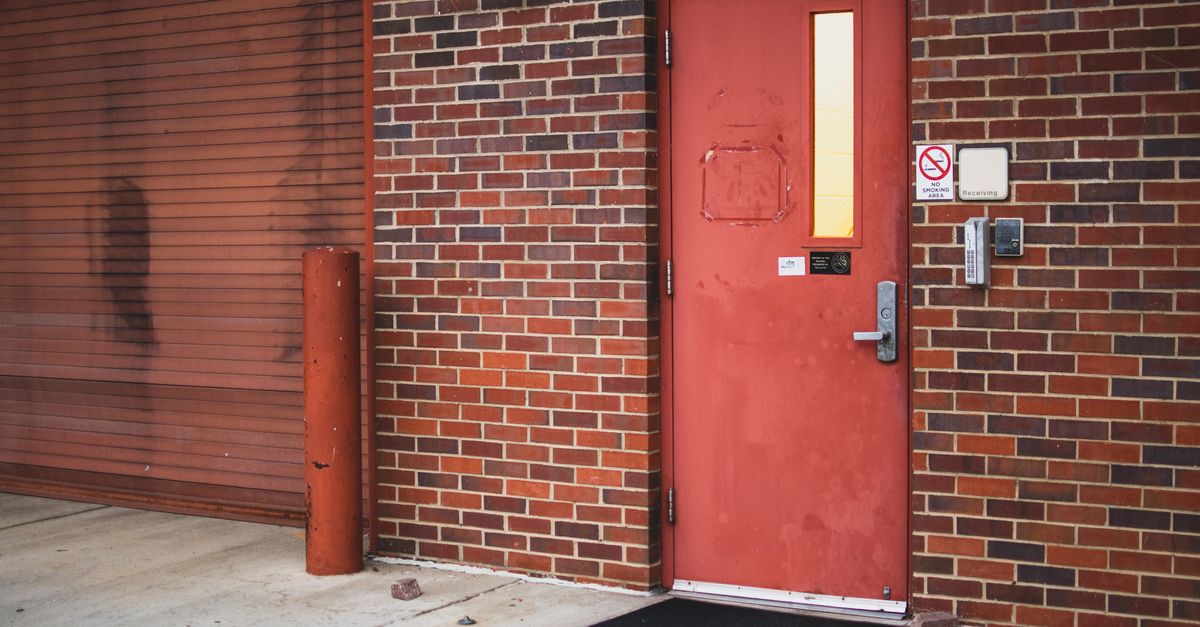
Commercial locks endure significantly more daily cycling than residential hardware. A busy Sherman Oaks retail suite or office space may see dozens of employees, deliveries, and tenants moving through a single door every hour. Over time, that wear concentrates in the lock mechanism itself — most often the mortise lock, which is the industry-standard choice for commercial doors precisely because it combines a deadbolt, latch, and sometimes a night latch into a single robust body set inside the door edge. When the internal cam, tailpiece, or cylinder of a mortise lock wears out or seizes, the door can stop responding entirely — even with the correct key.
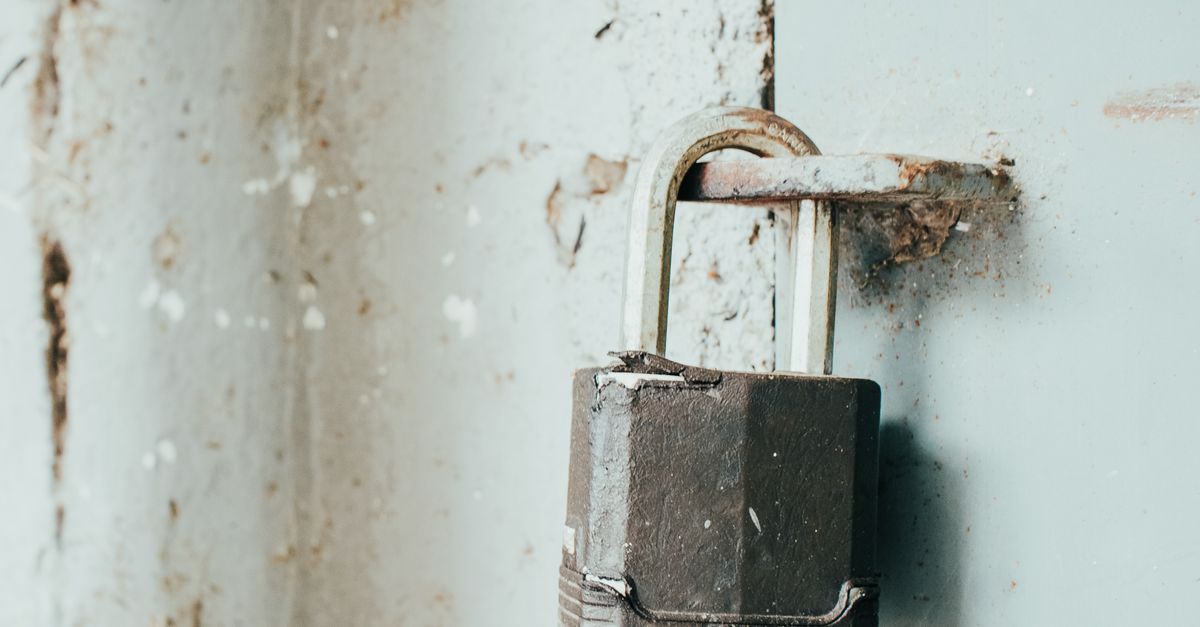
Aside from mechanical wear, commercial lockouts are triggered by broken keys left in the cylinder, misaligned strike plates caused by door settling or frame expansion in warmer months, frozen or corroded lock bodies after rare cold snaps, and electronic-mechanical hybrid failures in keypad or card-access mortise systems. Door knob lock failures are also common in interior office suites and back-of-house entrances, where a broken spindle or stripped latch mechanism can trap staff in or out of storage and server rooms. Understanding the root cause before opening a lock is what separates a qualified technician from a rushed one.