Sherman Oaks Locksmith Inc Service Team
Local locksmith team
Aug 19, 2026 10 min read
If you live in Sherman Oaks — whether you're on Ventura Boulevard, tucked into a hillside street off Mulholland, or renting a bungalow near Van Nuys Boulevard — your front door is probably doing more work than you realize. Most Valley homes rely on two layers of hardware: a door knob lock and a deadbolt. But when the budget only stretches for one upgrade right now, which one actually moves the needle on your security? The answer isn't as obvious as it sounds, and getting it wrong means spending money without meaningfully improving your protection.
This guide breaks down exactly how each lock type works, where each one falls short, and how to decide which upgrade deserves your attention first. We'll also cover the role of a mortise lock — an option that many Sherman Oaks homeowners overlook entirely — and flag the specific scenarios where calling an experienced locksmith is the smartest move you can make.
## What a Door Knob Lock Actually Does (and Doesn't Do)
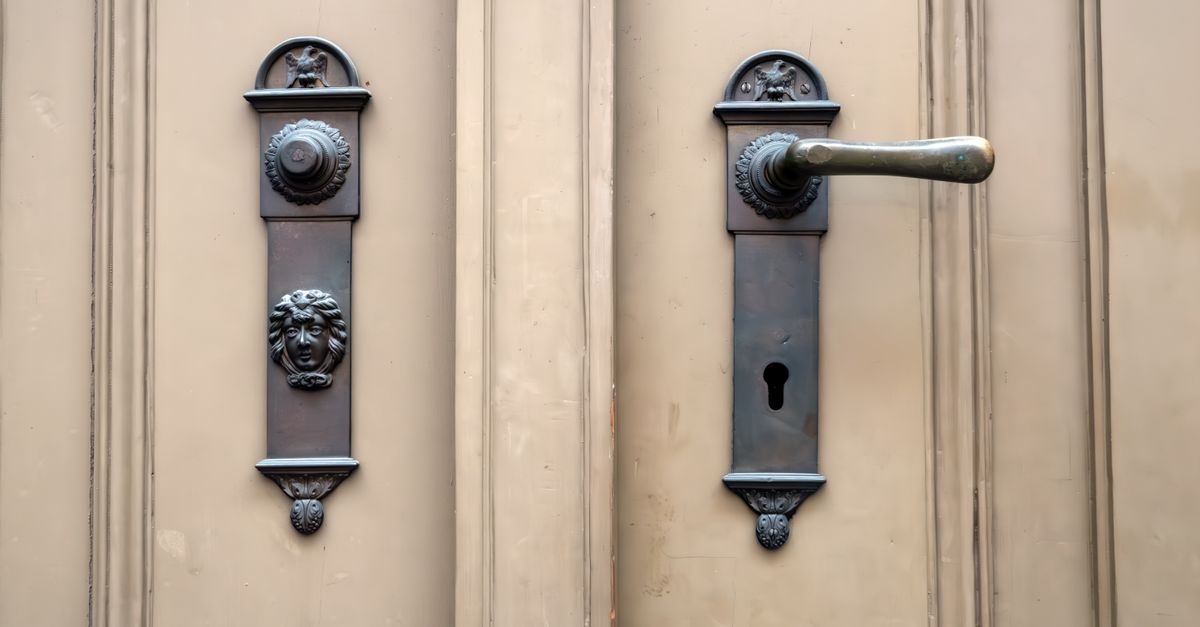
A door knob with lock is the round, grip-style hardware you turn to open a door. The locking mechanism is built directly into the knob itself, and the bolt it throws is a spring latch — a small, angled piece of metal that retracts automatically when the knob turns. That spring latch is the critical detail. Because it's beveled and spring-loaded, it can be defeated with a credit card, a stiff piece of plastic, or even sustained pressure in the right direction. Security researchers and locksmiths see this exploited regularly. A door knob with lock and key is perfectly reasonable for an interior bedroom — it keeps kids out, provides basic privacy, and the interior context means forced entry isn't the primary threat. But on an exterior entry door that faces a public street or shared hallway, a knob lock alone is not a security device. It's a convenience device.
There's also a structural vulnerability: the knob itself is a gripping point. A determined intruder can use channel-lock pliers to shear or snap a low-grade knob, exposing the spindle and releasing the latch entirely. Higher-quality knobs with hardened steel inserts resist this better, but the spring-latch geometry remains an inherent limitation regardless of brand. If someone in your neighborhood has asked how to pick a door knob lock or how to pick a lock door knob, understand that it isn't even always a picking problem — the latch-slip method requires no picks at all. That's why locksmiths consistently rank the knob lock as the weaker of the two standard options for exterior doors.
## Why the Deadbolt Is the Real First Line of Defense on Exterior Doors
A deadbolt throws a solid steel bolt — typically one inch — directly into the door frame's strike plate. Unlike a spring latch, a deadbolt bolt doesn't retract under pressure. It requires a deliberate turn of the thumb-turn or key to retract, which means the latch-slip and credit-card bypass methods don't apply. For that reason, if you can only upgrade one piece of hardware on your front door right now, a quality deadbolt on the exterior door is almost always the right first move. The security gap between a deadbolt and a knob lock is not marginal — it's significant.
That said, a deadbolt is only as strong as its installation. A Grade 1 ANSI-rated deadbolt installed with a flimsy, two-screw strike plate and short screws into soft door-frame wood can still be defeated with a kick. The strike plate should be heavy-gauge steel, anchored with 3-inch screws that reach the structural framing behind the door jamb — not just the trim. This is exactly the kind of detail a skilled locksmith catches during an installation that a DIY job often misses. If you're unsure whether your existing deadbolt was installed correctly, that's worth a professional eye before you spend anything on new hardware. Call 818-394-8453 and our team can assess your current setup and tell you exactly what you're working with.
## The Mortise Lock Upgrade Most Sherman Oaks Homeowners Haven't Considered
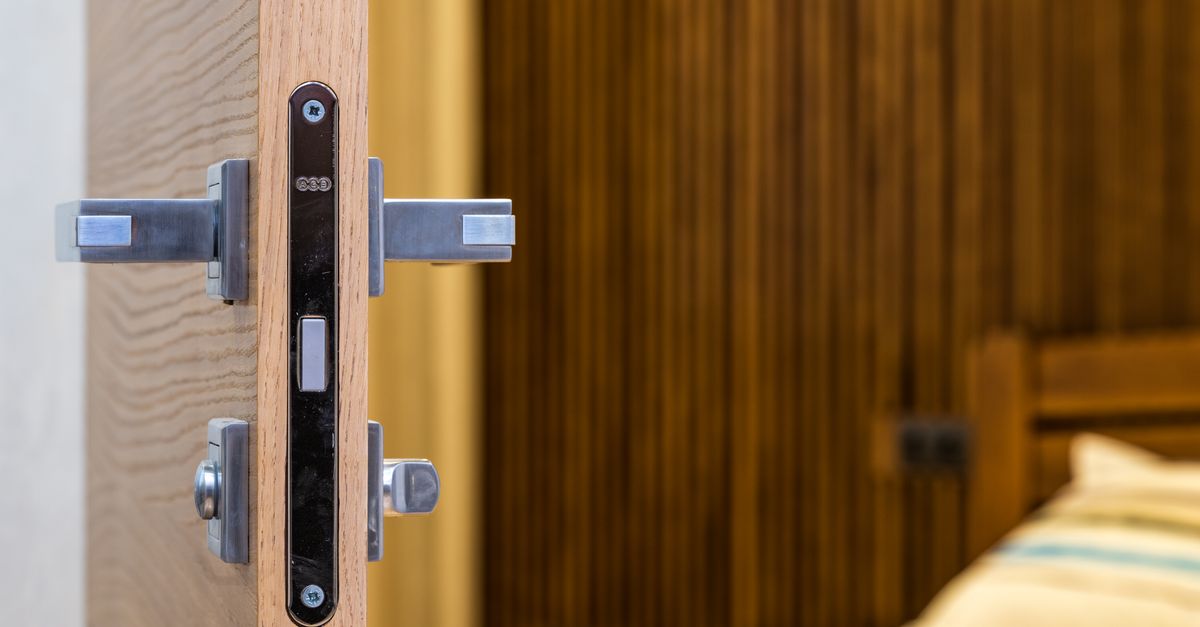
Here's where the conversation gets more interesting for homeowners who want to stop patching and start solving. A mortise lock is a single, integrated lock body that fits into a routed pocket (the 'mortise') cut into the edge of the door. It combines a latch, a deadbolt, and sometimes additional bolts into one reinforced unit. The entire assembly is contained inside the door — not just surface-mounted — which makes it dramatically harder to attack mechanically. Mortise locks are standard on commercial properties for a reason: they're built for doors that get used hundreds of times a day by people who have no stake in treating them gently.
For residential use in Sherman Oaks, a mortise lock makes particular sense on older craftsman-style homes and Spanish-revival bungalows — the kind of construction you see frequently in the flats between Ventura and Riverside Drive — where doors are solid wood and the door edge is thick enough to accept the mortise body. On these doors, upgrading to a mortise lock often means better security, a cleaner aesthetic, and a single keyed solution rather than two separate cylinders to manage. Our locksmiths handle mortise lock installation, rekeying, and repair regularly, both for homeowners and for commercial clients who need that level of durability on high-traffic entries. If you want to know whether your door is a candidate, that's a straightforward assessment we can make on-site.
## Comparing the Two: A Practical Decision Framework for Valley Homeowners
Here's a simple way to think about it. If your exterior door currently has only a knob lock and no deadbolt, add a deadbolt first — full stop. The security improvement is immediate and substantial. If your exterior door already has a functioning deadbolt but the knob lock is worn, loose, or the cylinder is easily manipulated, replacing the knob lock with a keyed-entry knob of better quality (or switching to a lever-handle set with a more robust cylinder) is a reasonable next step. If you want the highest level of single-hardware security for an exterior door and your door construction allows it, a mortise lock installation is worth a serious conversation.
For interior doors — a door knob with lock for bedroom use, home office, or a secondary suite — the calculus changes. Privacy and basic deterrence are the goals, not forced-entry resistance. A standard knob lock or a lever-passage set with a push-button or turn-button privacy lock is typically appropriate, and the focus shifts to cylinder quality and key control rather than bolt geometry. One area many homeowners overlook: if you have a door that opens into an attached garage, treat it like an exterior door. Garage doors are frequently targeted, and once inside the garage, an intruder has privacy and time. A deadbolt or mortise lock on the garage-to-home passage door is a high-value upgrade that gets missed because the door doesn't face the street.
## When to Call an Emergency Locksmith — and What to Expect from the Process
There are several situations where calling a professional locksmith is the right move regardless of where you land on the knob-vs-deadbolt question. If you're locked out of your home, your first steps should be checking every possible legitimate entry point — a rear door, an unlocked window at ground level, a neighbor who holds a spare key. Do not attempt to force your own lock. Beyond the obvious safety risks, you can damage the door frame, the lock cylinder, or the door itself in ways that cost more to fix than a service call would have. A trained emergency locksmith can open the door without damage in the vast majority of residential lockout situations, and can do it faster than most DIY attempts.
When our team arrives, we verify ownership before any work begins — a standard step that protects you and the integrity of the service. The final price depends on factors including the lock type involved, the time of day, travel distance, and whether any parts are needed. We confirm an exact price up-front before we touch anything, so there are no surprises on the invoice. As a 24/7 mobile locksmith serving Sherman Oaks and the surrounding Valley communities, we're equipped for residential lockouts, lock upgrades, mortise lock service, rekeying, and commercial locksmith calls on the same dispatch. Whatever the situation, call 818-394-8453 — we answer around the clock.
## Our Full Range of Locksmith Services for Sherman Oaks Homeowners and Businesses
Sherman Oaks Locksmith Inc handles a broad range of lock and security needs across the area, including: residential lockout service, commercial locksmith calls, emergency locksmith response, mortise lock installation and repair, deadbolt installation and replacement, door knob lock replacement and rekeying, high-security cylinder upgrades, master key system design, lock rekeying after a move or tenant change, strike plate reinforcement, door frame reinforcement, garage door lock service, sliding door lock installation, window lock installation, mailbox lock replacement, padlock service and replacement, safe opening and safe lock repair, car lockout service, automotive key programming, transponder key cutting, ignition repair and replacement, key duplication, lock-grade door hardware consultation, access control system installation for commercial properties, and after-hours emergency callouts for both residential and commercial clients. If you need a service not listed here, call and ask — our team covers far more ground than any single list can capture.
Frequently asked questions
Is a door knob lock enough security for my front door in Sherman Oaks?+
On its own, no. A door knob lock uses a spring latch that can be defeated without picking tools in many cases, making it poorly suited as the only hardware on an exterior entry door. It works well for interior rooms — a door knob with lock for bedroom or office privacy is fine — but any exterior-facing door should also have a properly installed deadbolt at minimum. If you want the highest level of integrated security, ask us about mortise lock options for your door.
What makes a mortise lock better than a standard deadbolt-and-knob combination?+
A mortise lock is recessed into the door's edge rather than surface-mounted, which removes the external hardware that can be mechanically attacked or pried. It integrates multiple locking functions into a single, reinforced body, and because the case is inside the door, the structural integrity is significantly higher. Mortise locks are the standard in commercial locksmith work for exactly this reason, and they're a strong option for residential exterior doors where the door is thick enough to accommodate the mortise body.
What should I do if I'm locked out and can't reach anyone with a spare key?+
First, check every legitimate entry point calmly: rear doors, side gates, a window you know is unlocked, or a trusted neighbor who may hold a spare. Do not attempt to force the lock or pry the door — this can damage the frame and the hardware, adding repair costs on top of the lockout itself. If you've exhausted legitimate options, call a professional locksmith. Our emergency locksmith team serves Sherman Oaks 24 hours a day, 7 days a week. We verify ownership on arrival, confirm the price before starting, and open the door without damage in the vast majority of cases. Call 818-394-8453 any time.
How do I know which lock upgrade is worth it for my specific door?+
The right answer depends on your door's current hardware, the door's construction material and thickness, how the door is positioned (street-facing, garage-adjacent, interior hallway), and your key-control situation. A quick on-site assessment from one of our experienced locksmiths takes the guesswork out entirely. We look at your existing setup, explain what's working and what isn't, and walk you through options — including deadbolt upgrades and mortise lock installation — with a confirmed price before any work begins. There's no obligation to commit on the spot.